Benefits of Feeling Good in Your Body
When individuals cultivate a positive relationship with their physical appearance, the benefits surpass surface-level confidence. Feeling good in your own skin initiates a complex psychological and biological chain reaction that fundamentally alters how your body functions. Researchers have long observed a compelling connection between a positive body image and overall health outcomes. It appears that the way we perceive ourselves dictates how we treat ourselves daily. People who embrace their bodies naturally gravitate towards choices that support their wellbeing, viewing health not as a punishment but as a form of self-care. This shift in mindset reduces chronic stress and fosters a sustainable approach to daily habits.
This positive perception profoundly influences the nervous system. Constantly worrying about perceived physical flaws triggers the body's acute stress response, flooding the system with cortisol. Over time, persistently high levels of these stress hormones can lead to systemic inflammation, weakened immunity, and severely disrupted sleep patterns. Conversely, genuine self-acceptance activates the parasympathetic nervous system, which promotes crucial rest and digestion functions. By reducing the constant mental friction of self-criticism, the physical body enters a state of physiological balance. This state allows vital organs to operate optimally, repair themselves more efficiently, and ward off potential illnesses.
The psychological impact of body positivity
Mental health is inextricably linked to how we view our physical selves. Cultivating sincere self-love creates a powerful buffer against persistent anxiety and depressive symptoms. When individuals stop expending immense mental energy on criticising their appearance, they instantly free up cognitive resources for more fulfilling pursuits. This newfound mental liberation encourages greater social engagement, directly reducing the isolation that often accompanies severe body dissatisfaction. Participating fully in social activities without the heavy burden of constant self-consciousness strengthens essential interpersonal relationships. This provides a robust community support network that further insulates the individual against inevitable future mental health challenges.
Furthermore, feeling fundamentally good about one's body enhances resilience against external pressures and pervasive societal beauty standards. People with high self-esteem regarding their physical form are notably less susceptible to the negative psychological impacts of modern media consumption. They naturally develop a critical filter that allows them to easily reject unrealistic portrayals of beauty, fiercely protecting their intrinsic self-worth. This robust psychological defence mechanism ensures their baseline mood remains highly stable. They can navigate environments saturated with highly curated, digitally altered images that might otherwise trigger intense feelings of inadequacy in those with lower body confidence.
Physical health outcomes linked to self-esteem
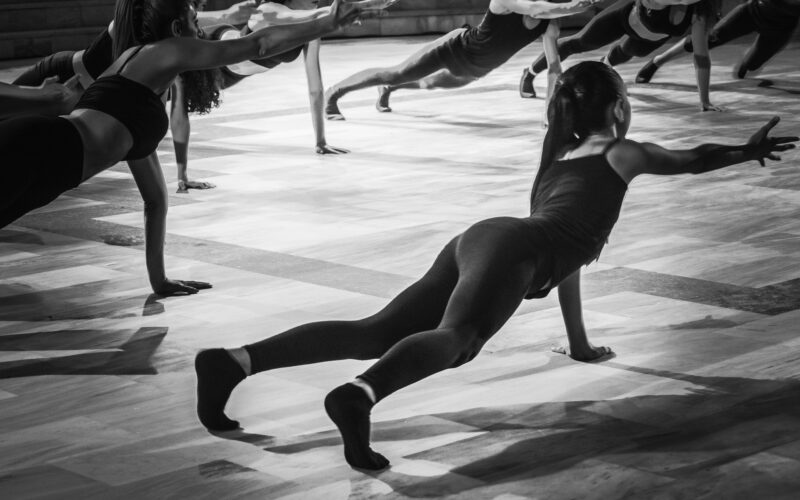
The behavioural changes closely associated with a positive body image directly impact measurable physical health markers. Individuals who genuinely appreciate their bodies are significantly more likely to engage in regular physical activity. Rather than exercising solely to change their shape, they choose to move simply for the joy and vitality it provides. They focus instead on building functional strength and increasing cardiovascular endurance. This intrinsic motivation leads to long-term consistency, which is the absolute cornerstone of cardiovascular health. Moreover, these confident individuals tend to adopt intuitive eating patterns, carefully listening to internal hunger cues rather than severely restricting food intake.
Long-term wellbeing and self-acceptance
Embracing your body as it changes over the decades is a crucial component of lifelong health. The natural ageing process brings inevitable physical transformations, and those who base their self-worth on a youthful aesthetic often struggle as they grow older. However, individuals who deeply appreciate their bodies for their daily resilience adapt much more gracefully to these natural changes. This psychological adaptability drastically reduces the emotional friction typically associated with ageing, allowing older adults to maintain highly active lifestyles well into their senior years. The journey towards feeling good in your body is undoubtedly a continuous process, yet it remains one of the most powerful investments you can possibly make.